
Wasteland Wrap-up #63
A visit to Cambridge, my talk on Castle Bravo, what makes a nuclear program successful or not...

This last week was dominated for me by finalizing my talk about Castle Bravo that I mentioned last week, and then traveling to the University of Cambridge to give it. All of which was quite successful, although I worry that I may have picked up (yet another) cold in the process of traveling.
I have read that people who move abroad suffer from more colds the first few years, on account of there being different germs, and I don’t know if that’s really true, as perhaps I was “due” for one anyway, but gee, I am tired of getting colds. Here’s hoping it is a mild one. (And thank goodness we have a massive stash of cold medicines imported from the U.S. of A., because as I have mentioned previously, the French don’t really believe in such things, for whatever reason, justified or not.)
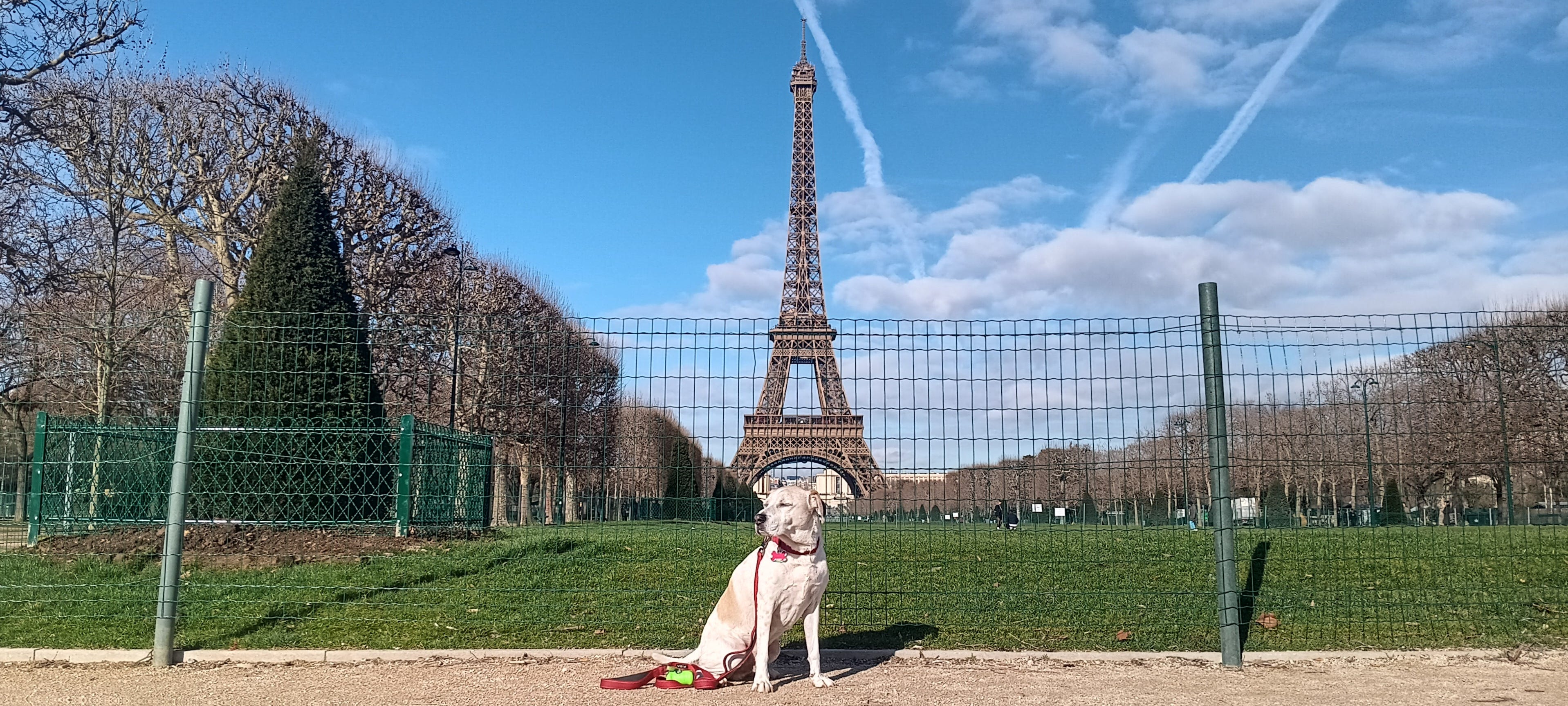
The weather earlier last week was very nice here in Paris, while I got horrible reports of ice and snow and general unpleasantness from my friends in the eastern United States. The weather was so unseasonably nice last Monday that I felt almost embarrassed by it. Lyndon and I tried to take advantage of it, though, and went on some long walks.
I do most of my thinking on walks, and so this was useful for my other task: putting together that talk for Cambridge, which was a deep dive into what went wrong at the Castle Bravo thermonuclear test in 1954.
I like putting together talks and presentations, much more than I do actually writing articles. There’s something about the constraints of a talk that really let me focus in on the core of the argument and the evidence, whereas the relative lack of constraints in a written article make it very easy to get too bogged down in details, or to just keep writing and writing and writing.
I was happy with how the talk came together. The argument in the talk was that a) all of the “traditional” explanations for why Bravo was a fallout disaster turn out to be quite wrong and even deliberately misleading, b) there is an alternative “technical” explanation for why they misjudged the fallout potential (there were not one but two bad models of fallout that they used for safety planning purposes, and both of them gave identical wrong answers that encouraged them to think that fallout would not be a significant issue for Bravo), but c) the conditions for that “technical” explanation are ultimately due to a deeper contextual, organizational, sociological, and cultural factors involved in how fallout and test safety were regarded within the AEC and the US military at the time.
Which is a nice “Cold War history of science and technology” argument: a merging of the technical (weather forecasting and fallout modeling and so on) with the broader Cold War organizational context. I haven’t done a lot of historical work that relied on technical arguments for awhile now, so it felt nice to stretch that muscle a bit.
I felt like ultimately my talk was pitched right for the audience — historians of science of different career levels, but not nuclear historians — and, by some amazing feat, I managed to actually not go over my allotted time despite having way too many slides (50 slides for a 45 minute presentation is too many!).
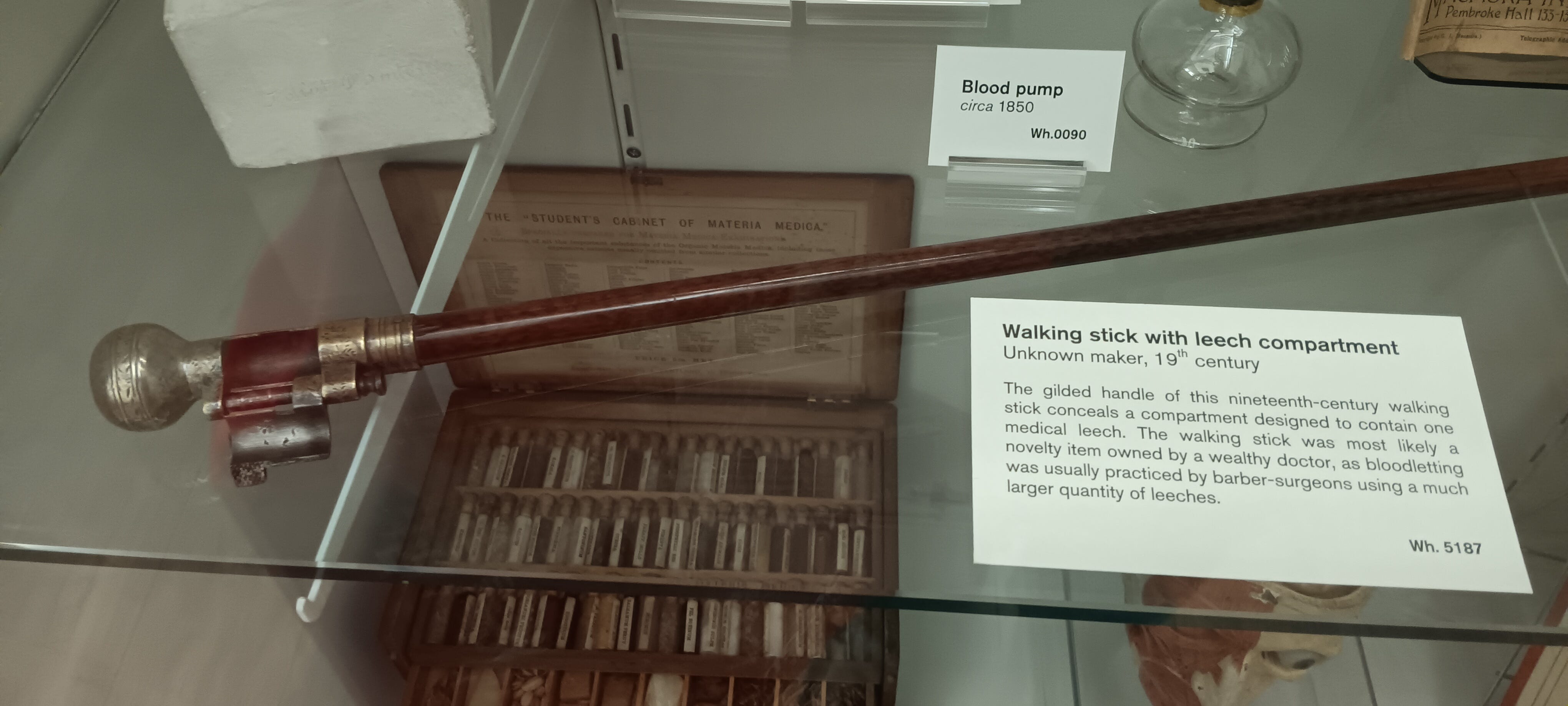
And the comments from the audience were wonderful, prodding me into thinking of additional dimensions that I wanted to look into, and really making me feel like I ought to, you know, actually write this up as an academic article. So I have already begun to do that.
The trip there and back was fairly smooth. I am still amazed one can get on a train and, in a few hours, get off in another country. This was my second time using Eurostar, and it was far less of a hassle than it was when I took it closer to New Year’s — not nearly as busy. I then took a train from London to Cambridge. Easy peasy. I also got a haircut while I was up there, because while I am not afraid to get one in Paris, it does make it an easier experience to do it in my native language.
I didn’t have as much time to write for Doomsday Machines as I would have liked, with all of the travel, but I did manage to put together a very brief post relating to an amusing image I stumbled across while doing my research into the Bravo paper. One in which the United States is being inundated with bananas or perhaps, as one friend suggested, Japanese eggplants:

This next week I am starting my new French class, teaching another week of my “Nuclear Technopolitics” course (see below for more on that), and presumably, recovering from a cold! Well, it could be worse — as the above image makes clear! Good luck to you all for the next week…
Keep reading with a 7-day free trial
Subscribe to Doomsday Machines to keep reading this post and get 7 days of free access to the full post archives.